Why we’re asking readers to register
It’s a step toward a more direct, sustainable relationship with our audience.
This post was originally written by myself and Jane Seidel for Rest of World and related to our work there. The original is here.
Ten years ago, interesting pieces of journalism could find interested audiences with a lot more ease than they can today. Search surfaced high-quality reporting directly from publishers, before AI summaries and rewrites started intercepting readers along the journey. Social platforms amplified good journalism to curious people. Independent publishers could reach an audience without knowing all that much about who that audience was.
So much has changed. Algorithmic updates from big tech platforms mean that readers coming from search and social are less predictable and less reliable. The systems that once connected publishers and readers are in actuality intermediaries that can change the rules of connection at any time. For independent publishers, the direct relationship between a newsroom and its audience has never been more important, or more fragile.
Building a direct relationship with our readers is no longer a nice-to-have — it’s how we stay independent and keep doing the work. Reader registration is one of the most important steps we can take towards that.
What we’ve done (and what surprised us)
Last month, Rest of World added reader registration to our site. If you’ve signed up already, you’ve probably noticed there aren’t many obvious benefits yet. That’s intentional.
Registration is part of a broader effort to build a stronger relationship with our readers, but we’re taking our time. Before introducing new features or changing the reading experience, we want to ensure the system is stable, understand how people use it, and learn from the data.
What surprised us: Without heavily promoting registration, hundreds of readers have already created accounts. That’s a meaningful early signal, and it gives us confidence that readers want a more direct relationship with Rest of World’s reporting, not just access to it.
What registration does today
Today, registration powers a handful of features:
- Better newsletter management
- Author notifications
- A more direct relationship between our readers and our journalism
Importantly, none of these are required. You can still read our journalism without creating an account.
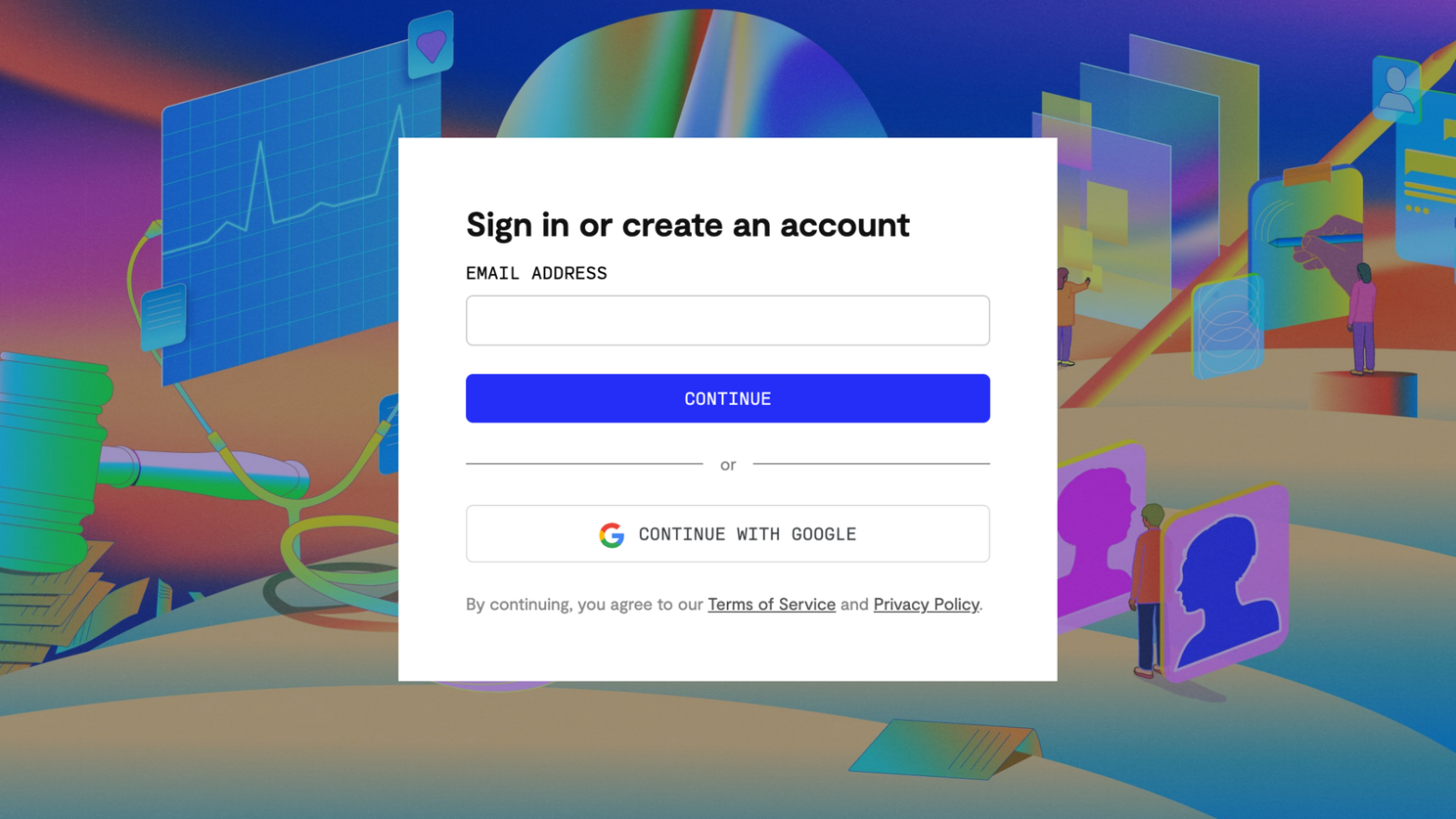
If you’d like to make an account, you can access the registration page here.
Why we’re introducing a registration wall
Over the coming weeks, we’ll begin testing a registration wall. After reading a certain number of articles within a given period, some readers will be asked to create an account or log in before continuing.
This isn’t about collecting data for its own sake, but rather about building the foundation for a real relationship with the people who regularly read our reporting. We want to know more about what you care about and how our journalism fits in your life, because that makes our work better, and lets us build things that are genuinely valuable to you. We can’t build better newsletters, smarter virtual and in-person events, or a membership worth paying for without knowing who we’re building them for. Registration is how we start to close that gap.
What we believe
We want to keep this lightweight: We’ll start with a generous limit and adjust it based on what we learn. We know some readers will never register, and that’s okay. We know some people will find ways around the registration wall, and that’s okay too.
We’re not interested in creating an arms race. Our goal is simple: Make registration low-friction enough that readers who value our journalism are willing to create a free account in exchange for continued access.
If we get that balance right, we end up with something far more valuable than a bunch of data: a community of readers who’ve chosen to be here, who learn from us and from each other.
What readers should expect
The registration wall will begin rolling out in the next few days. Most readers will never notice it. Casual visitors are unlikely to encounter it at all. The people most likely to see it are also our most engaged readers — the people who return regularly and get the most value from our work.
If that’s you — if you’re reading this because you already read our work regularly — then registration is genuinely for you. It’s the start of us knowing you better and building things with you in mind. (Also, thank you.)
What comes next
Registration is a foundation, not the destination. Later this year we’ll be expanding membership and other ways readers can support our journalism. We already have ideas. But more importantly, registration gives us something even more valuable: the ability to learn from real reader behavior, understand what our most engaged audience truly values, and make better decisions about what we build next.
For readers who like the technical details
We built the registration system in-house. That matters. It means that we own the infrastructure, we can move fast, and we’re not dependent on a third-party vendor to learn, iterate, or implement changes.
The registration wall is intentionally lightweight. It’s implemented client-side, designed to minimize impact on site performance, and built around a flexible templating system that allows us to test different messaging, designs, and user experiences over time.
Like everything else, we’ll be measuring, learning, and iterating.
Independent journalism depends on readers who choose it. Thank you for being one of them.